Réalisation d'une levée de fonds en capital de 3 millions d'euros

Contexte du projet


Au cours des dix dernières années, le Sénégal s’est distingué avec plus de 300 000 tonnes comme grand producteur/consommateur d'oignons en Afrique de l'Ouest, derrière le Niger. Cependant, environ un tiers ( > 100 000 tonnes) de la production est perdue, le marché de consommation local ne pouvant pas absorber le grand excédent pendant la fenêtre étroite de moisson de crête, faute de conservation et d’installations de stockage bien gérées. D'autre part, l'industrie alimentaire en Afrique de l'Ouest importe de gros volumes (>4000 tonnes) de produits d'oignon déshydratés (poudre, lanières, granulats etc.), dans la mesure où il n'existe pas d'usine locale de déshydratation industrielle.


Présentation de SAF Ingrédients


SAF Ingrédient est une SOCIÉTÉ AFRICAINE SA au CAPITAL SOCIAL de 6 millions d’€ (env. 4 milliards CFA).


Actionnariat :


  • 52% DIJON CÉRÉALES, Coopérative française avec 60 M d’€ de fonds propres, 272 M d’€ d'actifs totaux
  • 48% actionnaires sénégalais


Présentation du projet


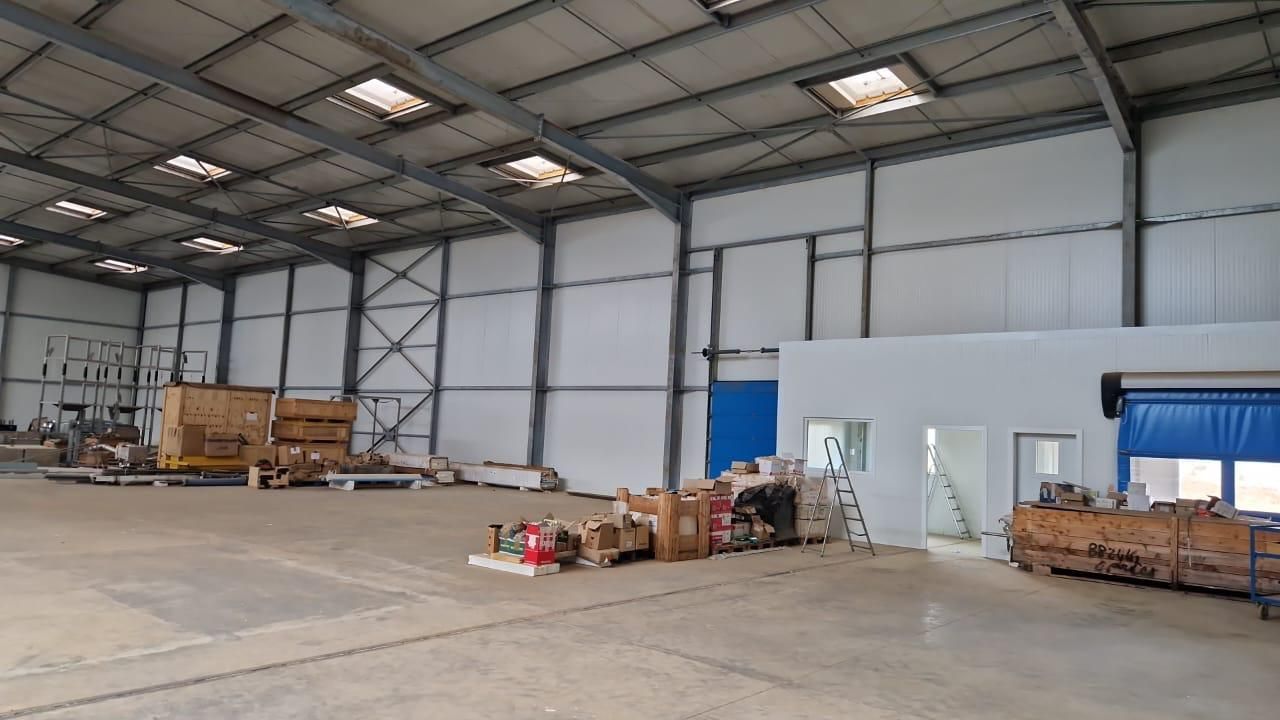
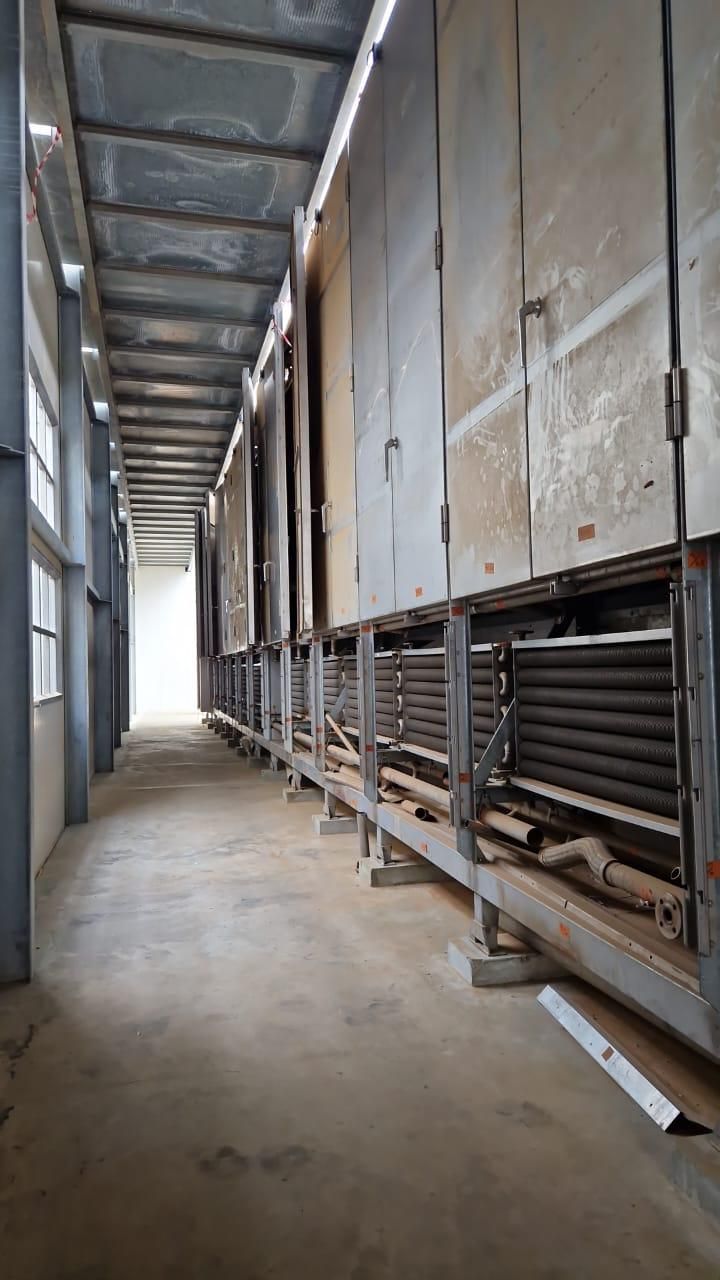
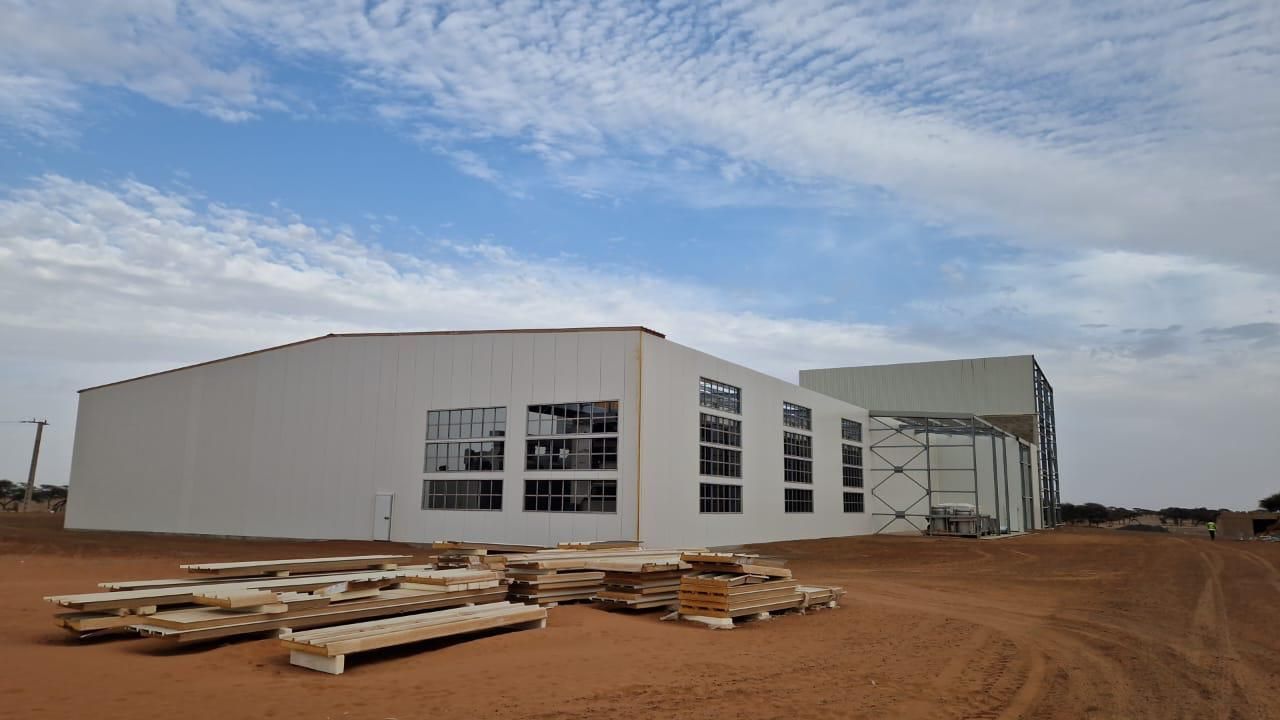
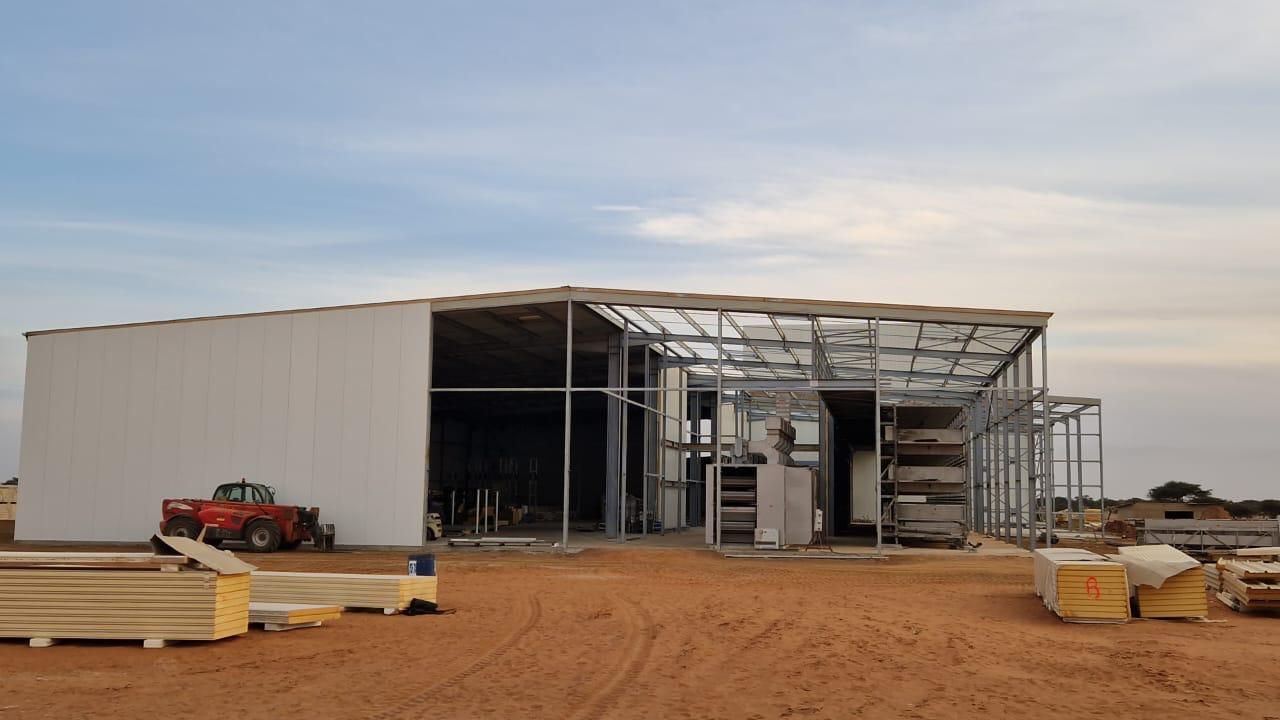
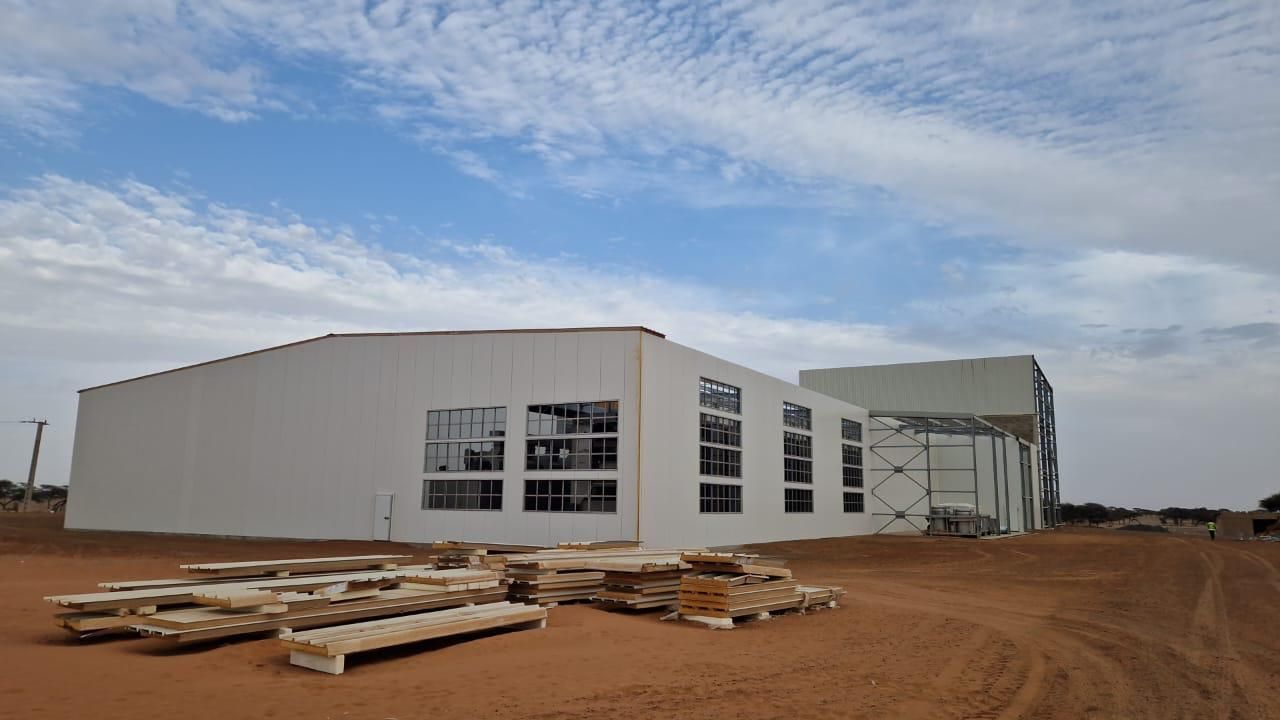
SAF Ingrédients porte un projet de délocalisation d’une usine de déshydratation d’oignons dans la vallée du fleuve Sénégal.

Ce sera la seule usine de ce type en Afrique et sera la seule au monde à produire avec une énergie propre et très peu coûteuse (biomasse balle de riz) divisant par 6 le coût énergétique habituel. Un impact important attendu sur les communautés avec une production de matière première sécurisée par 400 ha de ferme pilote (nucleus farm) en plus de la surproduction saisonnière locale.


Le projet en chiffres :


  • Cout total du projet 15,3 milliards FCFA
  • Capital (25%) : 3,9 milliards FCFA
  • Dette accordée (75%) : 11,4 milliards


Bailleurs :


  1. Fonds Allemand AATIF (Africa Agriculture and Trade Investment Fund) / 6 M€
  2. SFI Société Financière Internationale (Banque Mondiale) 7 M€
  3. SGS Société Générale Sénégal 4,4 M€


Présentation de l’accompagnement de AFFIC


AFFIC a joué un rôle déterminant dans le projet au travers de sa mission de conseil pour faciliter la mobilisation des ressources financières dans le cadre de la mobilisation du capital :


  • Etablir le portrait-robot de l’investisseur potentiel sur la base des termes de référence du Mandant ;
  • Etablir une base de données de potentiels investisseurs ;
  • Approcher ces investisseurs et évaluer leur intérêt par rapport au projet ;
  • Faire les due diligence et enquêtes de moralité nécessaires pour s’assurer de la conformité des investisseurs potentiels avec les attentes du Mandant ;
  • Mettre en relation le client avec les candidats les plus intéressés ;
  • Représenter ponctuellement le Mandat auprès des potentiels investisseurs ;
  • Organiser le Reporting au Mandant, à fréquences régulières, de l’avancement des travaux ;
  • Superviser la bonne fin de l’opération (signature, décaissement).


Cette mission a été un succès et a permis de s’assurer que le tour de table côté soit bouclé dans les meilleurs délais.
par Affic Group 30 mars 2026
Fundraising is a crucial process for many businesses, especially startups and growing companies. It is a financial strategy aimed at obtaining external capital to support development, expansion, or other business initiatives. In this article, we will explore in depth what fundraising is, its different forms, its advantages, and its challenges. What is Fundraising? Fundraising is the process by which a company obtains capital from external investors to finance its operations, expansion, or specific projects. This capital can be used for various purposes, such as product development, geographical expansion, marketing, hiring personnel, or even repaying debts. Fundraising Methods Equity Financing: In this case, companies issue ownership shares (equity or stock) in exchange for funds. Investors thus become part-owners of the company and share the risks and rewards associated with its performance. Debt Financing: Unlike equity financing, debt financing involves borrowing funds from lenders, such as banks or bond investors. Companies then repay these funds with interest over a specified period. Crowdfunding: An increasingly popular approach, crowdfunding allows companies to raise funds from a large number of people via online platforms. Individual investors often contribute small amounts of money in exchange for rewards, product pre-sales, or simply out of philanthropy. Advantages of Fundraising Growth Financing: Fundraising allows companies to access significant amounts of capital to support their growth, expansion, and strategic initiatives. Access to Networks and Resources: In addition to funding, investors often bring valuable expertise, contacts, and resources that can help the company succeed. Financial Flexibility: By choosing between equity financing, debt financing, or crowdfunding, companies can tailor their financing strategy to their specific needs and financial situation. Challenges of Fundraising Dilution of Ownership: With equity financing, founders and existing shareholders see their stake in the company diluted as new investors acquire shares. Management Requirements: Companies that raise funds often have to meet stricter reporting requirements and greater financial transparency, which can add administrative burdens. Pressure for Performance: Investors expect a return on their investment, which can put pressure on the company to achieve ambitious growth and profitability targets.
par Affic Group 30 mars 2026
The restructuring of a company is a strategic process that involves significant changes in its organizational structure, operations, or activities aimed at improving its efficiency, profitability, or competitiveness. Whether to adapt to an evolving economic environment, respond to internal challenges, or capitalize on new opportunities, restructuring can be a powerful tool for businesses. In this article, we will explore what corporate restructuring is, its different forms, motivations, and challenges, as well as best practices for successfully implementing it. What is Business Restructuring? The restructuring of a company generally involves changes in one or more of the following elements: Organizational Structure: Reorganization of departments, teams, or functions to improve communication, coordination, and decision-making. Business Portfolio: Review or redefinition of the company's activities, including the closure or sale of unprofitable divisions, the acquisition of new businesses, or the development of new products or services. Human Resources: Reduction or increase in workforce, reassignment of staff, or modification of compensation and benefits policies. Operational Processes: Reengineering of processes to enhance efficiency, quality, and productivity, or to integrate new technologies and work practices. Forms of Business Restructuring Financial Restructuring: Reorganization of the company's capital structure to reduce debt, improve liquidity, or strengthen its financial position. Operational Restructuring: Reorganization of the company's operational processes to reduce costs, improve efficiency, or adapt to new markets or technologies. Strategic Restructuring: Realignment of the company's overall strategy to focus on new markets, products, or customer segments, or to divest from underperforming markets. Motivations behind Business Restructuring Adaptation to the Economic Environment: Companies can restructure to adapt to economic changes such as globalization, digitization, or market fluctuations. Performance Improvement: Restructuring often aims to enhance the company's profitability, productivity, or competitiveness. Response to a Crisis: In case of financial difficulties, loss of market share, or other significant issues, restructuring may be necessary to ensure the long-term survival of the company. Capitalizing on New Opportunities: Sometimes, restructuring is undertaken to capitalize on new trends, technologies, or growth opportunities. Challenges and Best Practices Change Resistance: Employees may resist organizational changes, so it's important to communicate transparently and involve them in the process. Risk Management: Restructuring carries risks, particularly in terms of operational disruption, loss of key talent, or reputation. Careful planning and effective risk management are essential. Corporate Culture: Organizational changes can affect corporate culture, so it’s important to preserve the company’s core values and principles while encouraging adaptability to change. External Consultation: In many cases, engaging external consultants or experts can provide a neutral perspective and valuable advice for successful restructuring.
par Affic Group 30 mars 2026
Mergers and acquisitions (M&A) represent complex and strategic transactions in the business world. They involve the merging or acquiring of existing companies for various reasons, ranging from geographical expansion to market consolidation. In this article, we will delve deeply into what a merger and acquisition is, the different motivations behind these operations, as well as the challenges and benefits they present. What is a Merger and Acquisition? A merger and acquisition operation occurs when two companies decide to combine their activities or when one company decides to acquire another company. These transactions can take different forms, including: Fusion: Two companies decide to merge to form a new entity, thereby consolidating their assets, resources, and operations under a single entity. Acquisition: A company acquires another company by purchasing the majority of its shares or assets. In this case, the acquiring company often retains its distinct identity, but it may integrate the operations or resources of the acquired company into its own activities. Spin-off: A company divides its activities into several distinct entities, often by selling part of its assets to another company or distributing shares of the new entity to existing shareholders. Motivations Behind Mergers and Acquisitions Geographic Expansion: Companies can use mergers and acquisitions to enter new geographic markets and expand their global footprint. Portfolio Diversification: By acquiring companies in different sectors or industries, businesses can diversify their portfolio and reduce their exposure to sector-specific risks. Rapid Growth: Mergers and acquisitions often provide companies with a quick way to grow in size, revenue, and market share, bypassing the slower processes of organic growth. Operational and Economic Synergies: By combining the resources, skills, and capabilities of the acquiring and acquired companies, mergers and acquisitions can generate significant operational and economic synergies, such as cost reductions or revenue increases. Challenges and Advantages of Mergers and Acquisitions Operations Challenges :* Complex Integration: Integrating corporate cultures, IT systems, and operational processes can be a major challenge. Valuation Risk: Companies may overpay or underestimate the value of the target company, leading to financial losses. Employee Resistance: Employees may be skeptical or hostile towards the merger or acquisition, which can affect productivity and morale . Advantages : Access to Resources: Mergers and acquisitions allow companies to access new markets, technologies, skills, and talents. Creation of Value for Shareholders: When successfully executed, mergers and acquisitions can create value for shareholders through revenue growth, cost savings, and efficiency improvements. Strategic Positioning: Mergers and acquisitions can strengthen a company's competitive position in the market and provide it with a strategic advantage.